HMO vs PPO Medicare Advantage Plans in New Hampshire: Which Is Right for You?
Table of Contents
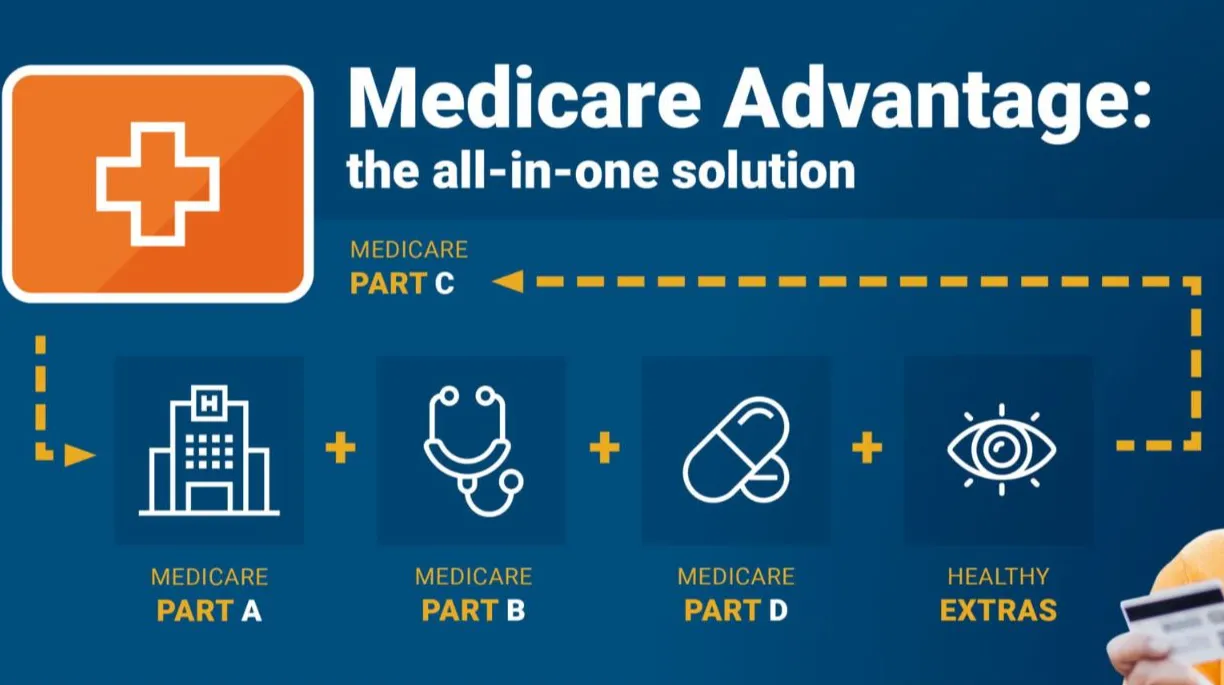
If you're a New Hampshire resident shopping for Medicare Advantage, you'll run into the same choice almost immediately: HMO or PPO? Both plan types bundle your Part A and Part B benefits (and usually Part D) into a single package, but they handle provider networks, referrals, and out-of-pocket costs very differently. Choosing the wrong one can mean surprise bills, limited doctor access, or paying more than you need to.
This guide breaks down exactly how each plan type works, what it costs, and which one fits different lifestyles for New Hampshire beneficiaries. If you're still getting up to speed on the different types of Medicare Advantage plans, start there for the full picture before diving into this comparison.
How HMO Medicare Advantage Plans Work in New Hampshire
An HMO (Health Maintenance Organization) plan builds your coverage around a closed network of doctors, hospitals, and specialists within New Hampshire. You pick a primary care physician (PCP) from the plan's directory, and that doctor coordinates all of your care.
The key rules:
- You must use in-network providers. With rare exceptions (emergencies and urgent care), services from out-of-network doctors are not covered at all. If you see an out-of-network specialist on your own, you pay 100% of the bill.
- Referrals are required for specialists. Need to see a cardiologist, orthopedist, or dermatologist? Your PCP has to write a referral first. You can't book directly.
- Your PCP is the quarterback. Every visit, test, and procedure flows through your primary care doctor. They keep the full picture of your health and decide what's next.
That structure sounds rigid, and it is. But it comes with a real payoff: HMOs are almost always the cheapest Medicare Advantage option for New Hampshire residents. Many have $0 monthly premiums, low copays, and lower maximum out-of-pocket limits than PPOs. The number of HMO options available to you depends on which New Hampshire county you live in, since Medicare Advantage plans are sold at the county level.
How PPO Medicare Advantage Plans Work in New Hampshire
A PPO (Preferred Provider Organization) plan also has a network of preferred doctors and hospitals in New Hampshire, but the walls are lower. You get two tiers of coverage instead of a hard in-or-out boundary. For a deeper dive into how PPOs specifically operate, see our guide to Medicare PPOs.
The key rules:
- In-network care costs less, but out-of-network care is still covered. You'll pay higher copays or coinsurance for out-of-network providers, but the plan picks up a share of the bill. You're not stuck with 100% of the cost.
- No referrals needed. You can book directly with any specialist, in-network or out, without getting permission from a primary care doctor first.
- No PCP requirement (usually). Most PPOs let you see any provider without designating a primary care physician, though having one is still a good idea for coordinated care.
The trade-off? PPOs available to New Hampshire residents typically charge higher monthly premiums, higher copays, and have a higher annual maximum out-of-pocket limit. That flexibility comes at a price.
"PPOs are more ideal if you travel often or split time between states or seasons, since you have coverage outside of your primary area at a higher cost. HMOs are limited for travel, but the lower premiums and copays can be a big draw for those who stay local," says Craig Bodner, a licensed Medicare agent in Arizona. "The important thing is to match your priorities with the plan."
Medicare Advantage HMO vs PPO in New Hampshire: Side-by-Side Comparison
| Feature | HMO | PPO |
|---|---|---|
| Monthly premium | Often $0; generally lower | Usually higher ($20-$80+/mo typical) |
| Out-of-network coverage | No (except emergencies) | Yes, at higher cost-sharing |
| Referral required for specialists | Yes | No |
| Primary care doctor required | Yes | Usually no |
| Maximum out-of-pocket (MOOP) | Lower (often $3,000-$5,000) | Higher (often $5,000-$8,000+) |
| Best for | People who stay local and want low costs | Travelers, snowbirds, those who want provider flexibility |
Cost Differences: What New Hampshire Beneficiaries Will Actually Pay
The premium is just one number. Here's how costs typically shake out across the full picture for New Hampshire residents.
Premiums
According to the most recent Medicare Advantage analysis from KFF, the average HMO premium runs significantly lower than the average PPO premium nationwide. In New Hampshire, you'll find a similar spread, though exact premiums depend heavily on your county and the carriers competing there. Many HMOs offer $0 premiums, while $0 PPOs exist but usually come with higher cost-sharing elsewhere.
Copays and Coinsurance
HMO copays for primary care visits often run $0-$15. PPO in-network copays tend to be $10-$30 for the same visit. The gap widens for specialists: HMO specialist copays might be $20-$40, while PPO specialist copays (in-network) can be $30-$50. Go out-of-network with a PPO and you might pay 30-40% coinsurance instead of a flat copay.
Maximum Out-of-Pocket
This is the ceiling on what you'll spend in a year before the plan covers everything at 100%. For 2026, CMS caps the in-network MOOP for all MA plans, but HMOs in New Hampshire tend to set their limits well below the cap. PPOs carry two MOOP limits: a lower one for in-network care and a higher combined limit that includes out-of-network spending.
"HMO plans typically have a lower MOOP for in-network care but may not cover out-of-network care except in emergencies," says Mark Cunningham, a licensed Medicare agent in Colorado. "PPO plans often have a separate, higher MOOP for out-of-network care. Some PPOs have a combined MOOP, but most separate the in-network and out-of-network limits."
For a structured way to compare total costs across plan types, our step-by-step financial checklist for comparing Medicare plans walks through every line item.
Network Rules: The Biggest Practical Difference for New Hampshire Residents
The single biggest day-to-day difference between these plans is what happens when you want to see a doctor who isn't in the network.
With an HMO: You can't. Outside of an ER visit or urgent care situation, the plan won't pay. If your favorite specialist retires and the replacement isn't in the New Hampshire network, you find a new one or pay entirely out of pocket.
According to William Wheatley, a licensed Medicare agent in Maryland, "If a Medicare Advantage HMO member chooses to see a cardiologist outside the plan's network for non-emergency care, they'll typically have to pay the full cost. But there is one workaround: if a specific specialist isn't available within the plan's network, your PCP can request a prior authorization or network exception. If approved, the service might be covered, but it must be done before you receive the care."
With a PPO: You can, but it costs more. The plan still covers a portion of the bill. If your longtime cardiologist is out-of-network, you keep seeing them and just pay a higher copay or coinsurance rate.
"This is one of the biggest frustrations I hear from people with PPO Medicare Advantage plans," says Chuck Winslow, a licensed Medicare agent in Indiana. "A PPO does give you more flexibility than an HMO, but what many seniors don't realize is that 'out-of-network' does not mean 'covered the same.' Deductibles and coinsurance are often much higher outside the network, and some doctors may not even agree to bill the plan directly."
This matters most in three situations:
- You have established relationships with specific New Hampshire doctors. Check whether they're in-network before choosing any plan. If some of your key providers are out-of-network, a PPO gives you the option to keep seeing them.
- You live in a rural part of New Hampshire with fewer providers. Smaller HMO networks in rural NH counties can mean long drives to find an in-network specialist. A PPO's out-of-network coverage acts as a safety valve.
- You need highly specialized care. If you're managing a complex condition that requires a specialist at a specific New Hampshire medical center (or even out of state), a PPO gives you access even if that center isn't in the plan's network.
It's also worth noting that prior authorization requirements can vary between HMO and PPO plans. Some HMOs require pre-approval for certain procedures that PPOs don't, so check the plan's evidence of coverage document before enrolling.
Referrals: Gatekeeper vs. Open Door
The referral requirement is the second big dividing line. With an HMO, your New Hampshire PCP reviews your situation and decides whether a specialist visit is warranted. Only then do you get the green light.
Supporters of this model argue it prevents unnecessary specialist visits and keeps care coordinated. Critics say it adds delays and an extra appointment when you already know what you need.
PPOs skip the middleman. If your knee hurts, you call the orthopedist directly. If you want a second opinion from a different oncologist, you book it yourself. For people who are proactive about their health and comfortable self-directing, this freedom is a major draw.
One important note: some HMOs in New Hampshire now offer "open access" or "POS" (Point of Service) options that relax the referral requirement for certain specialists. If you like the HMO price point but dislike referrals, ask about these hybrid plans.
When an HMO Makes the Most Sense
An HMO Medicare Advantage plan is likely your best fit if:
- You live in New Hampshire year-round. You don't split time between states. Your doctors, your hospital, your pharmacy are all local and likely to be in-network.
- Keeping costs low is the top priority. You're on a fixed income and want the lowest possible premiums, copays, and out-of-pocket exposure.
- You're comfortable with a PCP coordinating your care. You already have (or are happy to choose) a New Hampshire primary care doctor who manages your referrals and keeps your records organized.
- Your current doctors are in-network. You've checked, and your key providers participate in the HMO plan you're considering.
- You value simplicity. One network, one set of rules, predictable copays. Less to manage.
Many New Hampshire residents who are new to Medicare start with an HMO because of the lower costs, then reassess after a year of learning how they actually use their coverage.
"HMOs require you to stay in network to receive any benefit and usually require a referral from your PCP to see a specialist," says Don Golding, a licensed Medicare agent in Texas. "However, HMOs often offer the richest benefits, lowest copays, and maximum out-of-pocket protection. They also typically come with stronger ancillary benefits like dental, vision, hearing, and over-the-counter allowances."
When a PPO Makes the Most Sense
A PPO Medicare Advantage plan is worth the higher cost if:
- You travel frequently or split time between New Hampshire and another state. Snowbirds and frequent travelers need coverage that works in multiple locations. PPOs cover out-of-network care across state lines; HMOs generally don't. For more on this, see our guide to the best Medicare options for frequent travelers.
- You want to see specialists without a referral. You're managing multiple conditions and want to book directly with specialists as needs arise.
- Some of your preferred New Hampshire doctors are out-of-network. Rather than switching doctors, you'd rather pay a bit more to keep seeing providers you trust.
- You live in a rural part of NH with limited in-network options. When the nearest in-network specialist is 90 minutes away, out-of-network coverage becomes a practical necessity.
- You want a safety net for unexpected care. If you're diagnosed with something new and the best specialist in the region happens to be out-of-network, a PPO lets you go there without paying 100% out of pocket.
"Depending on the carrier you are enrolled in, some Medicare Advantage plans offer what's called a traveler benefit. You can go up to either 181 days or 12 months from your home and still have in-network services provided," says Michael Pane, a licensed Medicare agent in New York. "But with an HMO, out-of-network care typically isn't covered unless it's an emergency room or urgent care visit."
How to Check Plan Availability in New Hampshire
Not every HMO or PPO is available in every New Hampshire county. Medicare Advantage plans are sold at the county level, and the options vary dramatically depending on where in NH you live.
Here's how to see what's available:
- Use Medicare's Plan Finder. Go to Medicare.gov/plan-compare, enter your New Hampshire zip code, and filter by plan type. You'll see every HMO and PPO available in your county with premiums, star ratings, and benefit summaries.
- Check provider directories. Once you find plans that interest you, look up their provider directories (linked from each plan's detail page). Search for your current New Hampshire doctors by name.
- Call the plan directly. Provider directories can lag behind reality. If you want to confirm a specific doctor is in-network and accepting new patients, call the plan's member services line.
- Talk to a licensed Medicare agent in New Hampshire. An independent agent can pull up every plan in your county, check your doctors against multiple networks at once, and compare costs side by side. It costs you nothing.
If you're checking whether you're eligible for Medicare Advantage in the first place, start there before comparing specific plans. And make sure you understand when you can enroll in or switch Medicare Advantage plans so you don't miss your window.
Can You Switch Between HMO and PPO?
Yes. You're not locked into one plan type forever. New Hampshire beneficiaries can switch during:
- The Annual Enrollment Period (AEP) each fall (October 15 through December 7). You can move from an HMO to a PPO, switch carriers entirely, or drop MA and return to Original Medicare.
- The Medicare Advantage Open Enrollment Period (MA OEP) from January 1 through March 31. If you're already in an MA plan, you can switch to a different MA plan or return to Original Medicare with a standalone Part D plan.
- A Special Enrollment Period (SEP) triggered by qualifying events like moving to a new NH county, losing employer coverage, or qualifying for Medicaid.
Be aware of one important trap: if you've been on a Medicare Advantage plan for more than 12 months and want to switch to Original Medicare with a Medigap supplement, you may face medical underwriting. That can be a problem if your health has changed since you first enrolled.
If you're a first-time enrollee trying to avoid common Medicare mistakes, understanding the HMO vs. PPO decision early saves headaches down the road.
Frequently Asked Questions
What is an HMO-POS plan?
An HMO-POS (Point of Service) plan is a hybrid. It keeps the HMO's lower premiums and PCP model but adds limited out-of-network coverage for certain services, usually at a higher cost-share. It's a middle ground for New Hampshire residents who want HMO pricing with a little more flexibility.
Do my doctors have to accept my PPO plan if they are out-of-network?
No. Out-of-network doctors are not obligated to bill your PPO plan. Some New Hampshire providers will, some won't. If a doctor refuses to accept the plan, you may have to pay upfront and file for reimbursement yourself. Confirm billing arrangements before your visit.
Can I have a Medicare Advantage HMO or PPO and a Medigap plan at the same time?
No. Medigap policies only work with Original Medicare, not with Medicare Advantage. If you enroll in an MA plan in NH, you should drop your Medigap coverage (or not buy one in the first place). It's illegal for an agent to sell you a Medigap policy while you're enrolled in an MA plan.
The Bottom Line for New Hampshire Medicare Beneficiaries
HMO plans trade flexibility for savings. PPO plans trade savings for flexibility. Neither is universally better for New Hampshire residents.
If you stay in New Hampshire year-round, have in-network doctors, and want the lowest costs, an HMO is hard to beat. If you travel, see out-of-network specialists, or want the freedom to direct your own care, the PPO premium is money well spent.
The smartest move? Check your specific doctors against the specific plans available in your NH county. The labels matter less than whether your providers are in your plan's network. A local New Hampshire Medicare agent can run that comparison for you in minutes, and it won't cost you a dime.

Ami Fouts
Licensed New Hampshire Medicare Agent
Contact Ami through Medicare Agents Hub »
Choosing the right Medicare coverage is an important decision, and I'm committed to making the process simple, clear and personalized. As a Medicare Health Insurance specialist based in Plymouth, New Hampshire, I help individuals understand their Medicare options and find coverage that fits their healthcare needs, lifestyle, and budget.
For years I have built a successful business by focusing on honest guidance, exceptional customer service, and lasting relationships with my clients. I take pride in educating people about Medicare so they can make confident, informed decisions without feeling overwhelmed.
Whether you're new to Medicare, turning 65, or reviewing your current plan during the Annual Enrollment Period, I'm here to provide knowledgeable support every step of the way. My goal is to be a trusted local resource you can count on- Not just during enrollment, but throughout your Medicare journey.